


Achilles Tendon Rehabilitation: Recovering From Injury or Surgery
Achilles Tendon Rehabilitation: Recovering From Injury or Surgery
👀 Seeing More of This Lately
At Strive Physiotherapy & Sports Medicine, our clinicians often notice trends in the conditions and injuries bringing people through our doors. Through our Seeing More of This Lately series, we're sharing insights based on what our team is seeing in practice, along with information to help you better understand your symptoms and recovery options.
Recently, we've been seeing more patients with Achilles tendon injuries and Achilles tendon repairs, making this a timely topic for this month's article.
At Strive Physiotherapy & Sports Medicine in Midtown Toronto, we’ve recently been seeing more patients recovering from Achilles tendon injuries and Achilles tendon repairs.
Whether your injury developed gradually through running, sports, or increased activity, or occurred suddenly during exercise, recovery can feel overwhelming. Many people wonder how long rehabilitation will take, when they can return to activity, and whether they’ll regain their previous strength and confidence.
The good news is that appropriate rehabilitation can help you safely rebuild strength, improve mobility, and return to the activities that matter most to you.
A physiotherapy assessment can help determine appropriate activity levels.
Is surgery always required for an Achilles tendon rupture?
Not necessarily.
Some Achilles ruptures can be managed successfully without surgery. Treatment decisions are typically made in consultation with an orthopedic surgeon or sports medicine physician based on the injury and individual goals.
When should I start physiotherapy after an Achilles injury?
Early assessment is often beneficial.
Whether your injury is being managed surgically or non-surgically, physiotherapy can help guide safe progression and support recovery at every stage.
When Should You Seek Help?
Consider seeking an assessment if you are experiencing:
-
- Ongoing Achilles pain
- Persistent stiffness
- Difficulty returning to activity
- Calf weakness
- Concerns following surgery
- Difficulty progressing through recovery
Early guidance can provide clarity, reduce uncertainty, and help establish an effective rehabilitation plan.
Ready to Get Back to What Matters?
At Strive Physiotherapy & Sports Medicine, we help individuals recover from Achilles tendon injuries through individualized assessment, evidence-informed rehabilitation, and collaborative care.
If you’re recovering from an Achilles tendon injury or Achilles tendon repair, our team is here to help.
Book a physiotherapy assessment or schedule a free 10-minute Ask a Physio consultation to determine whether physiotherapy is the right next step for you.
Milder cases may improve within weeks, while recovery following an Achilles rupture or surgical repair often requires several months of progressive rehabilitation.
Can I walk with an Achilles tendon injury?
Many people can continue walking with certain Achilles injuries, but recommendations depend on the severity of symptoms and the specific diagnosis.
A physiotherapy assessment can help determine appropriate activity levels.
Is surgery always required for an Achilles tendon rupture?
Not necessarily.
Some Achilles ruptures can be managed successfully without surgery. Treatment decisions are typically made in consultation with an orthopedic surgeon or sports medicine physician based on the injury and individual goals.
When should I start physiotherapy after an Achilles injury?
Early assessment is often beneficial.
Whether your injury is being managed surgically or non-surgically, physiotherapy can help guide safe progression and support recovery at every stage.
When Should You Seek Help?
Consider seeking an assessment if you are experiencing:
-
- Ongoing Achilles pain
- Persistent stiffness
- Difficulty returning to activity
- Calf weakness
- Concerns following surgery
- Difficulty progressing through recovery
Early guidance can provide clarity, reduce uncertainty, and help establish an effective rehabilitation plan.
[/vc_column_text][/vc_column][/vc_row]
Ready to Get Back to What Matters?
At Strive Physiotherapy & Sports Medicine, we help individuals recover from Achilles tendon injuries through individualized assessment, evidence-informed rehabilitation, and collaborative care.
If you’re recovering from an Achilles tendon injury or Achilles tendon repair, our team is here to help.
Book a physiotherapy assessment or schedule a free 10-minute Ask a Physio consultation to determine whether physiotherapy is the right next step for you.
In this article, we’ll cover:
-
- Common types of Achilles injuries
- Symptoms to watch for
- What rehabilitation involves
- Common recovery questions
- When to seek physiotherapy
- How our team at Strive can help
What Is the Achilles Tendon?
The Achilles tendon is the thick band of connective tissue that connects your calf muscles to your heel bone.
It plays an important role in nearly every step we take, helping us walk, run, climb stairs, jump, and generate power during sport and exercise. Because it experiences such high forces during daily activities, the tendon can sometimes become irritated, overloaded, or injured.
Common Achilles Injuries
At Strive, we commonly see three types of Achilles injuries: Achilles tendinopathy, partial tears, and Achilles tendon ruptures.
Achilles Tendinopathy
Achilles tendinopathy develops when the tendon becomes irritated due to repetitive loading over time. People often notice stiffness first thing in the morning, pain during or after activity, or a gradual reduction in their ability to run, jump, or participate in sport comfortably.
Unlike a sudden injury, symptoms often develop gradually and may worsen if activity levels increase too quickly.
Partial Achilles Tears
A partial tear involves damage to some of the tendon fibres and can occur either suddenly or as the result of ongoing tendon overload.
Common symptoms include pain, swelling, tenderness, and weakness when pushing off during walking, running, or jumping activities.
Achilles Tendon Rupture
An Achilles rupture occurs when the tendon tears completely. Many patients describe feeling a sudden “pop” or a sensation like someone kicked them in the back of the leg.
This is often accompanied by immediate weakness, difficulty walking, and an inability to perform a calf raise. While some ruptures are managed surgically and others non-operatively, rehabilitation is an essential part of recovery regardless of the treatment approach.
[/vc_column_text][/vc_column_inner][/vc_row_inner][/vc_column]
Achilles Tendon Rehabilitation at Strive Physiotherapy
What Are the Symptoms of an Achilles Tendon Injury?
Symptoms can vary depending on the type and severity of the injury, but common signs include:
- Pain at the back of the heel or ankle
- Morning stiffness
- Swelling around the tendon
- Pain with running, jumping, or prolonged walking
- Reduced calf strength
- Difficulty pushing off during movement
More significant injuries, such as tendon ruptures, may cause sudden weakness and difficulty bearing weight through the affected leg.
If these symptoms are limiting your ability to exercise, work, or participate in activities you enjoy, a physiotherapy assessment can help determine the most appropriate next steps.
Why Rehabilitation Matters
One of the biggest misconceptions about Achilles injuries is that they simply need time to heal.
While healing does take time, successful recovery requires more than rest alone. The tendon must gradually regain its ability to tolerate load and meet the demands of daily life, exercise, and sport.
Without appropriate rehabilitation, individuals may continue to experience weakness, calf muscle loss, discomfort, reduced confidence in movement, and challenges returning to their previous activity levels.
A structured rehabilitation program helps rebuild strength, improve mobility, and restore function throughout the recovery process.
What Does Achilles Rehabilitation Involve?
Recovery looks different for every individual, but rehabilitation generally progresses through several stages.
Early Recovery
The initial phase focuses on protecting healing tissues while gradually reintroducing movement and load. Depending on the injury and treatment approach, this may include managing swelling, restoring mobility, and beginning appropriate strengthening exercises.
Strength Restoration
As healing progresses, the focus shifts toward rebuilding capacity in the tendon and surrounding muscles.
Treatment often includes progressive calf strengthening, balance training, single-leg exercises, and lower-body strengthening to restore confidence and function.
Return to Activity and Sport
For active individuals and athletes, the final stage of rehabilitation involves preparing the body for higher-level demands.
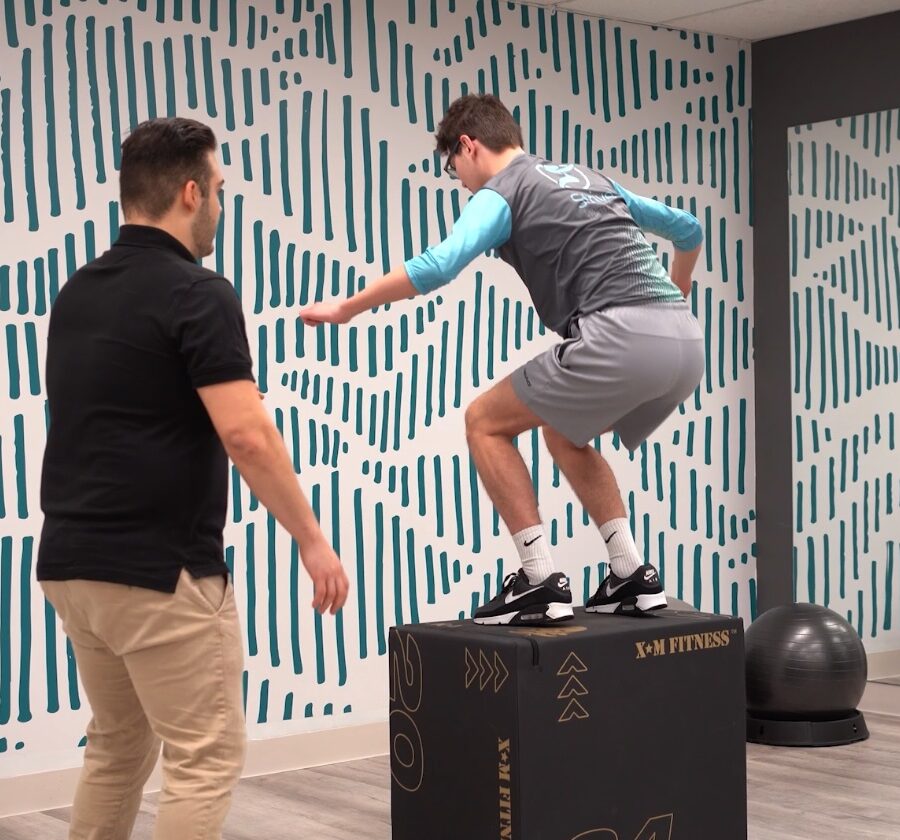
This may include running progressions, plyometric exercises, agility drills, sport-specific training, and load management strategies. The goal is not simply to eliminate pain but to help individuals safely return to the activities they enjoy with confidence.

Working With Stefanos
At Strive, Stefanos works with individuals across all stages of recovery from Achilles tendon injuries, including those recovering from tendon repairs and those managing longer-standing tendon symptoms.
His approach combines thorough assessment, progressive strengthening, and individualized exercise programming to help patients rebuild capacity, confidence, and function throughout the rehabilitation process.
Whether the goal is returning to sport, exercise, or everyday activities, treatment is tailored to the unique needs and goals of each individual.
Frequently Asked Questions About Achilles Injuries
How long does Achilles tendon rehabilitation take?
Recovery timelines vary depending on the injury and treatment approach.
Milder cases may improve within weeks, while recovery following an Achilles rupture or surgical repair often requires several months of progressive rehabilitation.
Can I walk with an Achilles tendon injury?
Many people can continue walking with certain Achilles injuries, but recommendations depend on the severity of symptoms and the specific diagnosis.
A physiotherapy assessment can help determine appropriate activity levels.
Is surgery always required for an Achilles tendon rupture?
Not necessarily.
Some Achilles ruptures can be managed successfully without surgery. Treatment decisions are typically made in consultation with an orthopedic surgeon or sports medicine physician based on the injury and individual goals.
When should I start physiotherapy after an Achilles injury?
Early assessment is often beneficial.
Whether your injury is being managed surgically or non-surgically, physiotherapy can help guide safe progression and support recovery at every stage.
When Should You Seek Help?
Consider seeking an assessment if you are experiencing:
-
- Ongoing Achilles pain
- Persistent stiffness
- Difficulty returning to activity
- Calf weakness
- Concerns following surgery
- Difficulty progressing through recovery
Early guidance can provide clarity, reduce uncertainty, and help establish an effective rehabilitation plan.
Ready to Get Back to What Matters?
At Strive Physiotherapy & Sports Medicine, we help individuals recover from Achilles tendon injuries through individualized assessment, evidence-informed rehabilitation, and collaborative care.
If you’re recovering from an Achilles tendon injury or Achilles tendon repair, our team is here to help.
Book a physiotherapy assessment or schedule a free 10-minute Ask a Physio consultation to determine whether physiotherapy is the right next step for you.